May 15, 2026
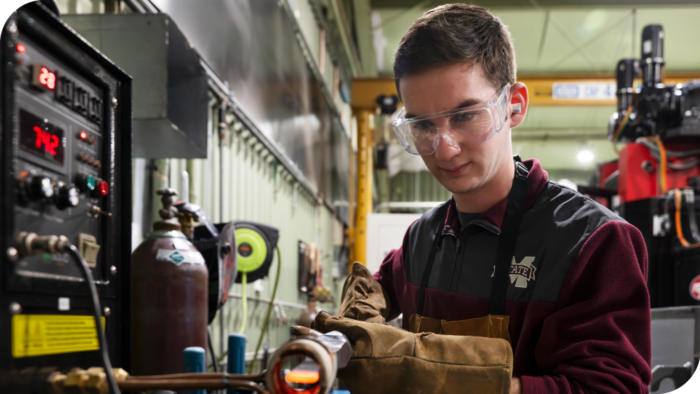
Advanced metals manufacturing plays a critical role in multiple industries—from infrastructure and transportation to energy and defense. Regional manufacturers increasingly require workers with experience using sophisticated imaging and analytical tools to support alloy development, process optimization and quality assurance activities.
Using an $800,000 ARC grant, Mississippi State University (MSU) is acquiring the advanced equipment needed to meet evolving industry demands and expand hands-on student training and research capacity in advanced metals manufacturing and materials science.
Investing in Advanced Metals Training
Although MSU was already offering programs in advanced metals manufacturing, they recognized the need to modernize their research laboratory’s infrastructure to both keep up with the increased demand for applied learning—and ensure their research equipment is aligned with current industry standards. ARC’s investment to support MSU’s purchase of a Scanning Electron Microscope (SEM) will enable its Institute for Imaging and Analytical Technologies to significantly enhance instructional and research capacity through detailed materials analysis training.
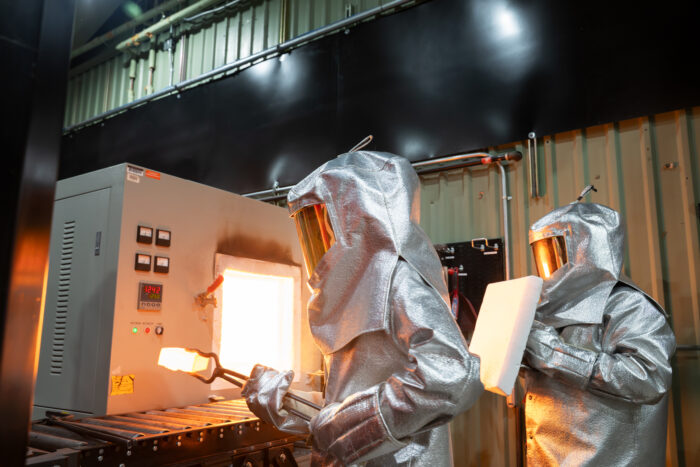
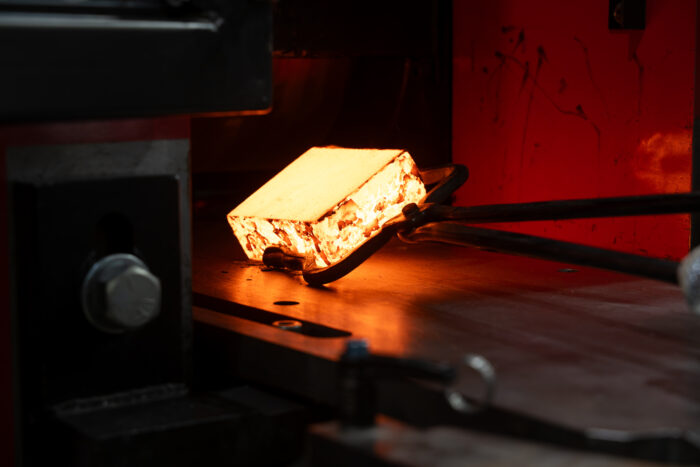
“The scanning electron microscope is a critical piece of infrastructure that connects education, research and real‑world manufacturing needs,” said Director Tonia Lane of the Institute for Imaging and Analytical Technologies at MSU. “For regional manufacturers, it brings high‑resolution materials analysis closer to home, reducing turnaround times and enabling faster decisions related to quality, process optimization and innovation. By placing this electron microscope at MSU, we’re ensuring uninterrupted operational support for a shared resource that strengthens workforce readiness and supports industry-driven innovation.”
The new equipment will expand experiential learning opportunities for students in advanced metals manufacturing and materials science, allowing them to develop technical skills that translate directly to in-demand manufacturing careers.
Expanding the Metals Talent Pool
Once fully implemented, the project is projected to serve 50 students. This investment will help build a more competitive regional workforce and support advanced metals manufacturers seeking to enhance their operations.
“Long term, this project positions the Golden Triangle and surrounding counties as a nationally competitive hub for advanced metals manufacturing,” Lane said. “Our hope is that this investment not only supports today’s manufacturers, but also attracts future industry, strengthens domestic supply chains, and ensures that innovation and opportunity continue to grow right here in the region.”
By investing in cutting-edge research equipment and advanced manufacturing workforce training programs, ARC is helping to ensure that Southern Appalachian communities have the tools needed to compete in a highly technical manufacturing economy. The MSU project demonstrates how targeted investments in advanced manufacturing infrastructure can drive student and worker success, industry innovation and regional economic competitiveness.