The nation’s substance use disorder crisis disproportionately impacts Appalachia, where in 2023 overdose-related mortality rates for people ages 25–54 was 52 percent higher than the rest of the country. Appalachians struggling with substance use disorder encounter additional barriers including transportation, housing, access to care, education and steady employment. These challenges make it even harder for those in recovery to connect with long-term recovery solutions and reenter the workforce and community. Furthermore, a compromised workforce can impede economic output.
Using a multi-pronged approach—including the Investments Supporting Partnerships In Recovery Ecosystems (INSPIRE) Initiative—ARC supports innovative efforts to establish community-based recovery ecosystems to save lives and strengthen the region.
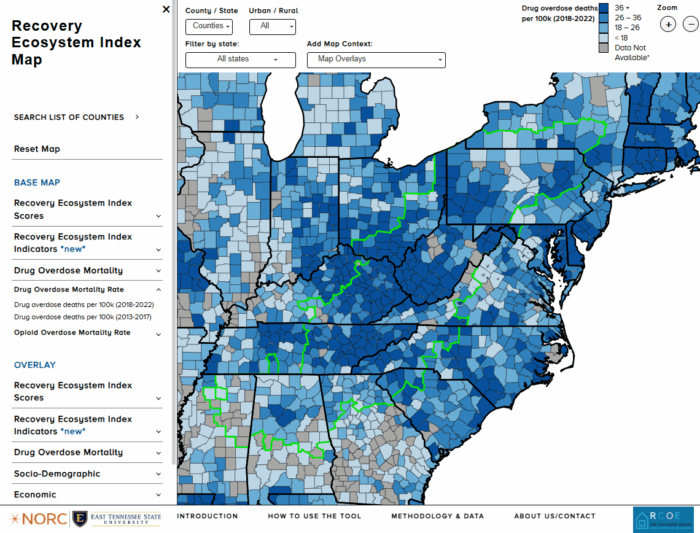
Recovery Ecosystem Index Map
INSPIRE Initiative
ARC’s INSPIRE Initiative offers grant funding for projects that address workforce gaps and economic challenges due to the impact of substance use disorder (SUD) in Appalachia. INSPIRE projects build or expand community support systems (also known as recovery ecosystems) to help Appalachians in SUD recovery obtain or maintain employment.
Research and Resources
Substance Use Disorder Advisory Council Report
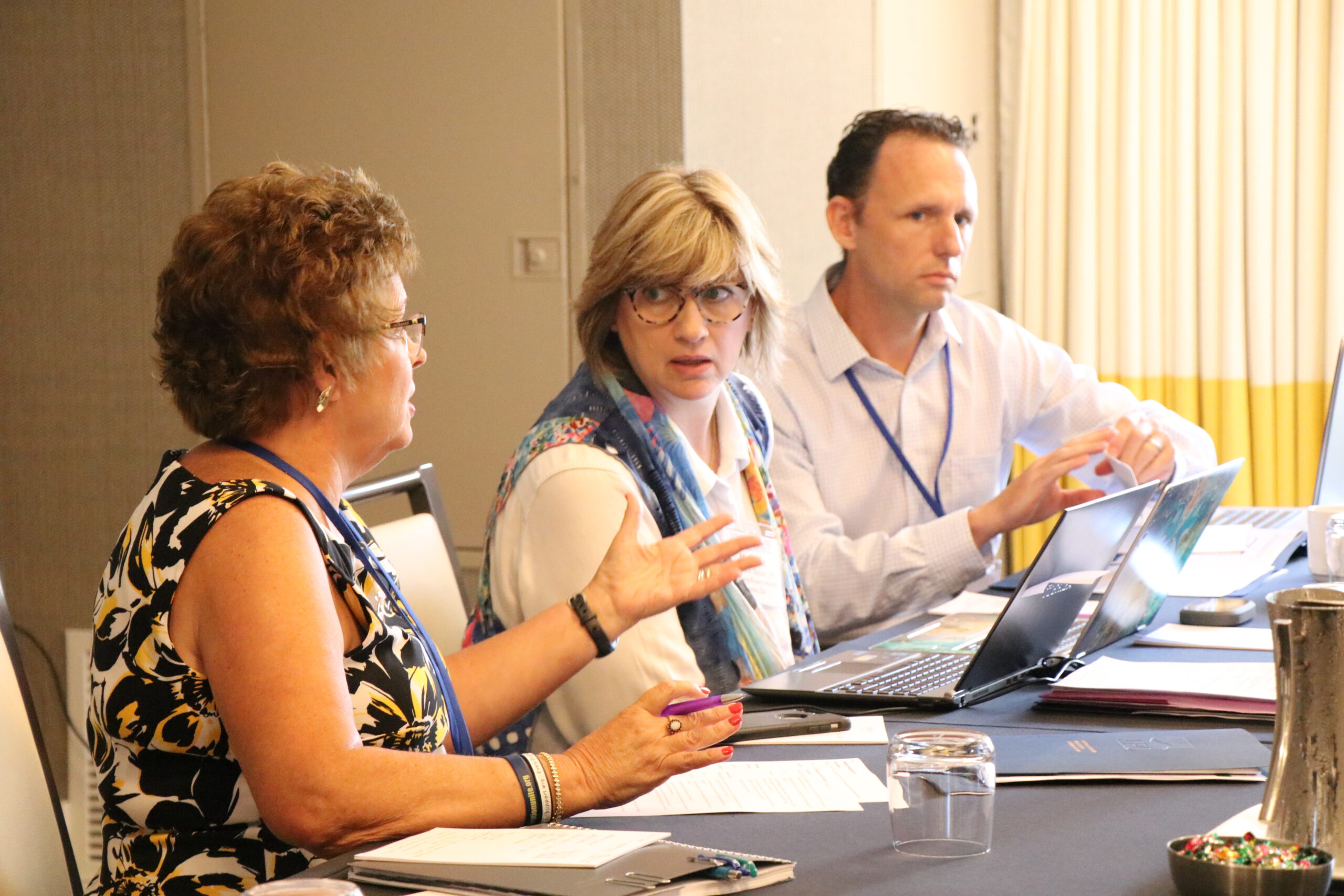
In 2019, ARC’s Substance Use Disorder Advisory Council—a volunteer advisory group of community leaders from a variety of regional sectors—offered 14 recommendations for the commission to consider as part of a strategic plan to build and strengthen recovery ecosystems throughout the region.

Opioids in Appalachia: The Role of Counties in Reversing a Regional Epidemic
ARC partnered with the National Association of Counties (NACo) to offer tools and resources that equip local leaders in the fight against substance use disorder.